

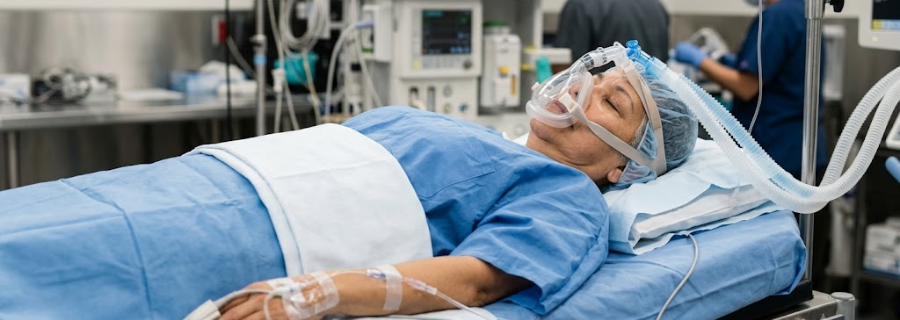
Fear of the unknown is a natural reaction, especially when it comes to a medical intervention. In a surgical setting, anesthesia is often one of the topics that causes the most concern for patients. However, understanding how it works, what its true scope is, and what measures should be taken helps to transform that uncertainty into peace of mind.
What is anesthesia and what are its benefits?
Anesthesia is a medical treatment designed to block a patient’s tactile and pain sensations during surgery, a diagnostic examination, or a therapeutic procedure. Its main benefit is clear: it prevents the body from experiencing pain or physical stress during the procedure.
Depending on the type of procedure, different methods may be used:
- General anesthesia: the patient remains in a state of induced deep sleep, with no awareness of what is happening around them.
- Regional anesthesia: pain is blocked in a specific part of the body, such as a leg or from the waist down, while the patient remains awake or lightly sedated.
- Local anesthesia: numbs only a very small, superficial area; ideal for minor procedures.
Thanks to these advances, modern medicine can perform complex, life-saving surgeries, while always ensuring maximum comfort and the stability of the body’s vital functions.
Common risks and myths
It is completely normal to be concerned about the risks. Nowadays, thanks to monitoring technology and the training of specialists, anesthesia is safer than ever. The most common side effects are usually mild and temporary:
- Nausea or vomiting upon waking.
- Feeling cold or experiencing chills.
- Dry mouth or a sore throat caused by breathing devices.
- Drowsiness or mild dizziness.
Serious risks are extremely rare and are typically associated with a patient’s pre-existing medical conditions or highly urgent situations. The medical team is prepared to anticipate and manage any complications in real time.
Essential precautions: the patient’s role
- Strict fasting: It is vital to stop consuming solid foods and liquids, following the exact instructions provided by the medical center. This prevents stomach contents from entering the lungs while the patient is unconscious.
- Transparent information: You must disclose your full medical history to the specialist. This includes allergies, previous surgeries, any family history of complications with anesthesia, and the use of any substances.
- Medication management: Certain substances, such as anticoagulants or specific natural supplements, must be discontinued days before the procedure. Only your doctor will specify which ones to continue and which ones to pause.
- Hygiene and physical preparation: Arrive for your appointment without makeup or nail polish (to ensure oxygen sensors function correctly), and remove any dentures, contact lenses, or jewelry.
The day of the procedure and the recovery
Fountain:
- What you need to know about anesthesia: a practical guide for patients. Health and Medicine Section. Written in collaboration with the AI-powered editorial assistant Gemini (Google, 2026).